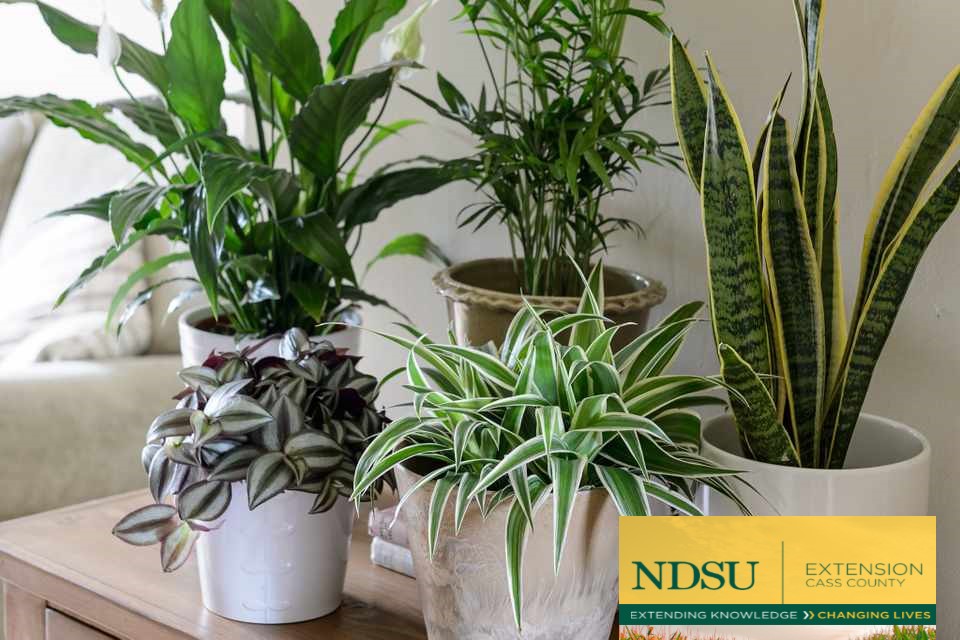
In our gardening visits, I’ve often mentioned the importance of a high quality potting mix. Does it really matter what mix you use, or are they pretty much the same? Let’s go shopping.
 Notice that some brands are labeled potting mix and some are labeled potting soil.
 “Soil” has a broad definition, and the terms potting soil and potting mix are being used interchangeably and few contain actual dirt-type soil. The better quality products I found are labeled potting mixes. Apparently no state or federal regulations govern quality of potting products, although the label must list ingredients in decreasing order of volume.
Today’s “soil-less” mixes contain one or more of the following. Sphagnum peat moss absorbs and holds water. Vermiculite is the golden flake-like material that holds air, water and nutrients. Perlite is the white crunchy bead-like component added for aeration. Forest products like ground bark increase moisture retention but can limit air. Larger bark particles increase aeration.
A good potting mix must strike a balance of being porous enough for drainage and root aeration while retaining the right amount of water and nutrients. The mix shouldn’t become hard-compacted over time.
The ultimate deciding factor of a good potting mix is whether it grows healthy plants long term. But I’ve found you can separate a good mix from a poor mix by doing some easy observations before you use it for plants. Fill a pot with mix and try watering it.

Does water flow in easily, or is the mix difficult to wet? Once it’s wet, squeeze a handful. Can you crumble it back apart nicely, or does it stay overly wet in a squishy mudball?  Does a handful of mix feel spongy and wholesome, or does the wet mix leave your hands feeling slimy, sticky and dirty? Shed the garden gloves and you’ll be surprised how much you can learn by hand-analyzing potting mixes.
Many low-quality mixes also feel very heavy in the bag. The bags of Top-quality mixes are often light.
Miracle Gro Potting Mix is my personal old-reliable because it’s available at nearly every mass merchandiser and local garden center, and it grows nice plants. It’s a well-researched blend of peat, perlite, and processed forest products plus slow-release fertilizer. 
 Miracle Gro Moisture Control Potting Mix was developed to prevent over-and-under watering because it contains coir, which is ground coconut fiber that retains moisture well. This is an advantage for outdoor containers, but I feel it stays too wet for indoor houseplants.
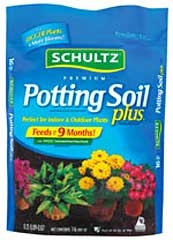 Schultz Potting Mix. Often sold as a price-comparable competitor of Miracle Gro mix, it has more bark particles. It’s good also, but not as widely available.
Many locally owned garden centers sell their own special blends, or the blends they use in their own growing operations. These usually are wonderful mixes also.


 Besides these all-purpose mixes, specialty mixes are formulated for African violets, orchids and cacti. My past experience has been positive with the products.
A tip when using high-quality potting mixes: Always moisten them the day before planned use, by adding water, mixing to distribute, close the container, and allow the moisture to penetrate, making the mix mellow and easy to handle. Dry mix is more difficult to handle, and can be difficult to rewet once it’s in the pot. Many plant roots also resent being potted into dry mix, as contact with dry material can damage tender root hairs. Pre-moistening potting mix makes it easier to handle and is better for the plants which will be potted into the mix.
Top quality potting soil is worth every penny. “Happy Gardening!”