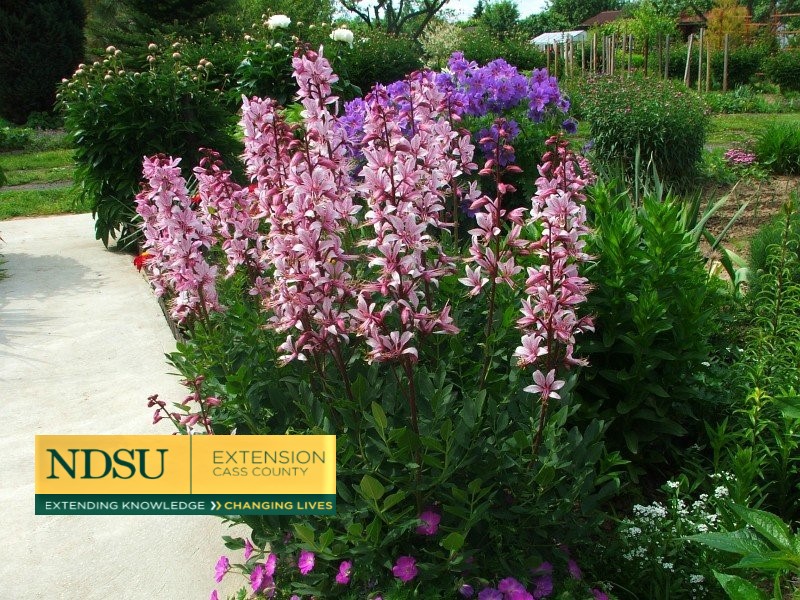
All plants are unique, but some are very unique. Take, for example, the perennial flower that has gas. The flower stalks emit a flammable oil with vapors that can be ignited with a match, resulting in an ascending poof of flame.
And that’s where it gets its common name – gas plant. But gas plant (Dictamnus albus) is so much more than a novelty. It’s a beautiful perennial flower that’s winter-hardy to zone 3, making it well-adapted to all of North Dakota and Minnesota. 
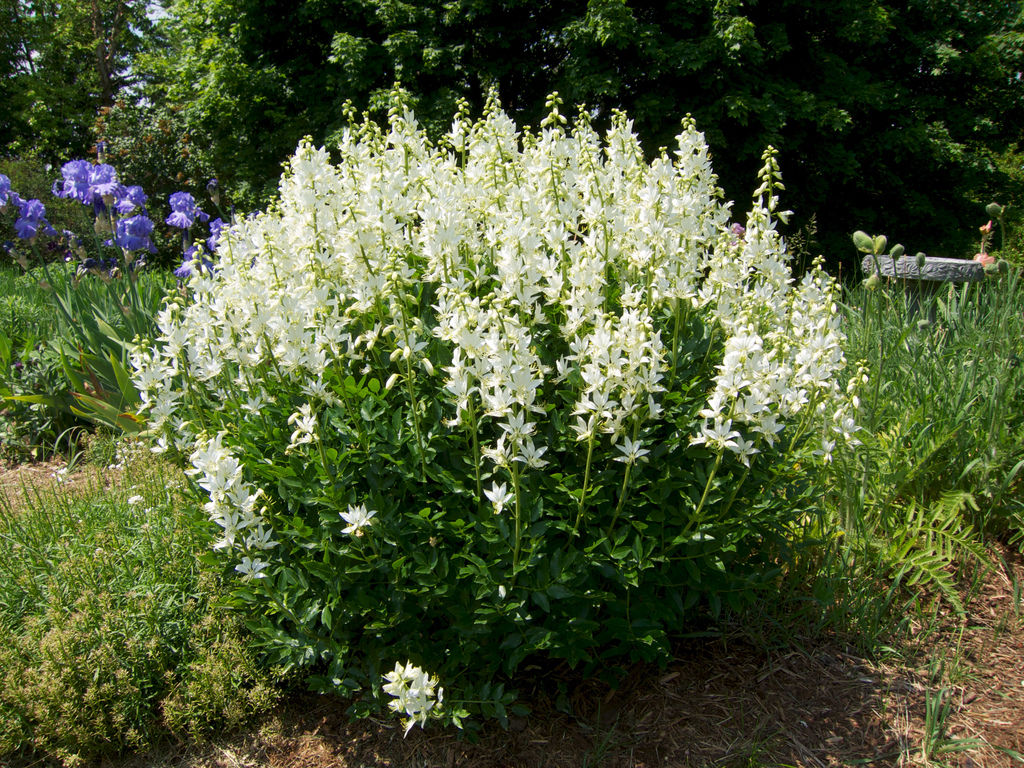 Here’s the scoop on gas plant:
- The perennial plant forms a clump, upright oval in shape, that grows to about 24 to 36 inches high.
- Flowers are spike-shaped and varieties include white, pink, purple and rosy-red.
- Foliage is attractive, neat, glossy and fresh green.
- Blooms in early to mid-summer.
- Leaves emit a pleasant lemony fragrance when rubbed.
- Completely winter hardy in zone 3.
- Grows best in full sun, or at least 6 hours of direct sun.
- Well-adapted to soils in the Midwest, but does prefer soil that’s amended with organic material like peatmoss or compost.
- It’s slow to establish, but that’s a plus, because once established it is one of the longest-lived perennials, able to remain in place for many decades. And it prefers to be left undisturbed, so dividing and replanting isn’t necessary.
- Because it prefers to be left undisturbed, gas plants should not be divided for decades – the less frequently the better. This makes it very low-maintenance compared to perennials that require division every 3 to 5 years.
- Gas plant has been around for years in our area, but it’s somewhat uncommon, and isn’t widely sold. Best sources are locally owned garden centers that specialize in a wide array of adapted perennials.

Now, if you’re curious about the flaming flower spikes, I’ve seen it with my own eyes. On totally calm, warm summer evenings, you can hold a match to the base of the flower spikes, and a flame will gently ignite upward along the spike. The plant is left unharmed. Don’t worry – the plant doesn’t explode into a bonfire; it’s more subtle. 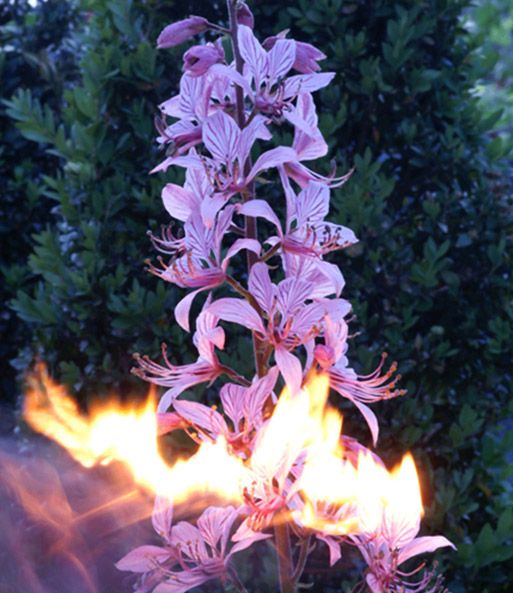 Happy Gardening!