
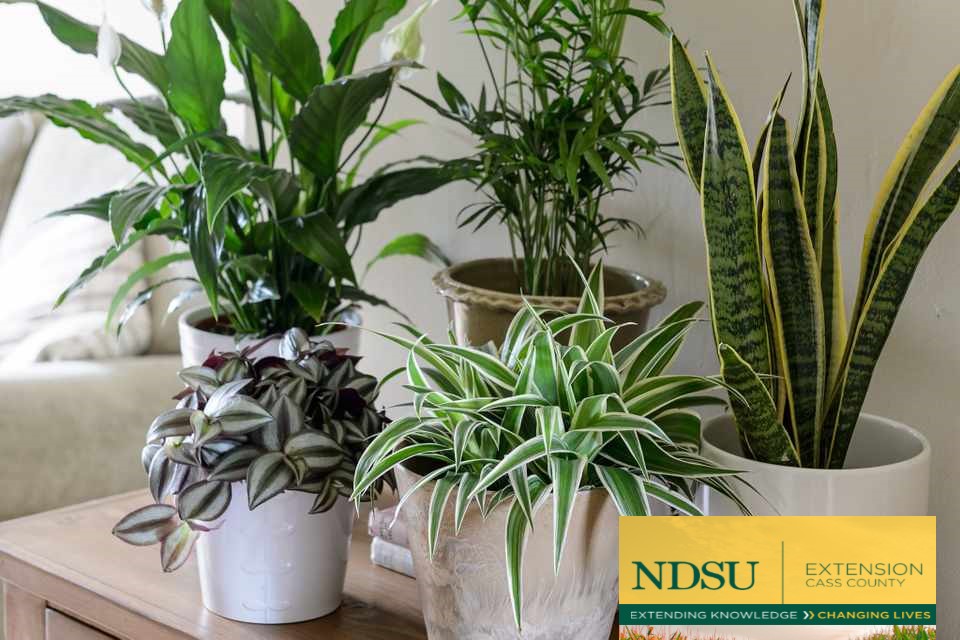
I wish houseplants were a little more vocal. If they would only speak up a bit, their care would be easier. “I’m thirsty!” “I’m hungry!” “It’s too dark in here!” “What’s to eat?” “This pot’s too tight!”
Plant care is a little more subtle, but they do let us know what they need, they just don’t scream it out. For example, there are ways to tell if a houseplant needs repotting.
Look for the following clues when deciding if a redo would benefit a plant.
- If the plant has been in the same pot and soil for two years or more, it might benefit from repotting. Some plants can go many years without repotting, but fresh soil every few years increases the health of most plants.

- If the soil appears packed or hard, repotting into high quality potting mix will help.
- If the plant is drying out more frequently than it used to, or more often than your other plants it may be ready for repotting.

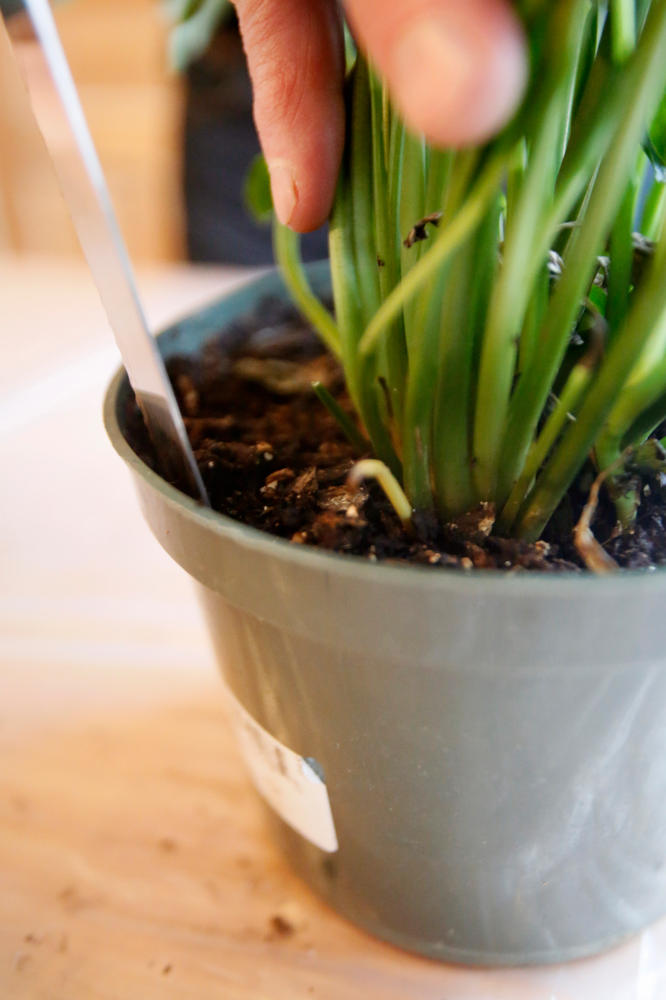
 When roots have completely filled and circled the soil, a plant is called “potbound” or “rootbound.” Check plants by gently lifting them out of their pot and examining the rootball. Slicing a knife between soil and pot will make removal easier. Tip the pot on it’s side, or invert, and the rootball will usually slide out of the pot.
- Roots growing out the bottom drain hole indicate repotting might be wise.
- If the soil has a whitish-gray appearance there may be salt buildup from watering. Repotting into fresh soil eliminates this.

When deciding whether to repot a plant, these pointers might help:
- Repotting doesn’t always require a larger pot. Sometimes the same pot size is fine, but fresh soil is needed.
- If the plant is “potbound,” repot into a pot size 1 or 2 inches larger in diameter. Don’t go too large. Plants flounder in too large a pot, and overwatering can result.
- If a small plant is in a too-large pot, repotting into a smaller pot might be needed. Plants like to fill up a small pot first, and then gradually be moved into large sizes. Err on the side of smaller, rather than larger.
- If a plant has been overwatered, with the soil staying continually too moist, repotting into fresh soil and a slightly smaller pot might help.
Quick tips if a repotting is in order:
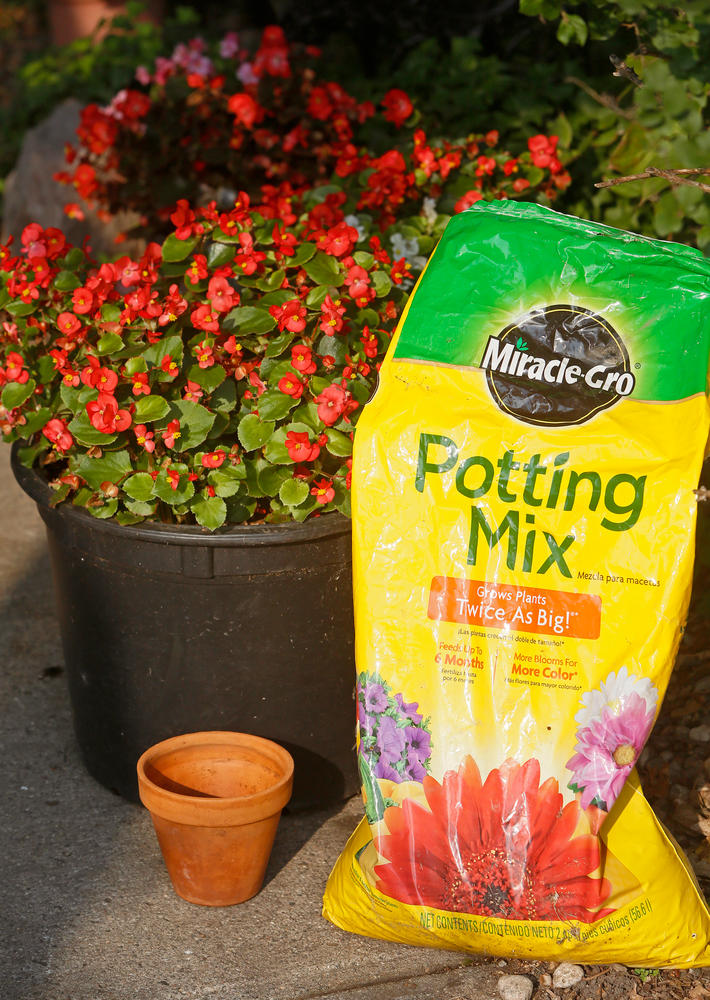
- Use high-quality potting mix, like Miracle Gro Potting Mix, or one recommended by local garden centers.

- Choose a pot only slightly larger than the root mass.
- Moisten mix and stir well before using, as many high-quality mixes are very dry straight out of the bag. Pre-moistening the mix makes it easier to water after potting, and roots don’t like to come into contact with bone-dry soil during the potting process.
- You can skip the layer of stones in the bottom of the pot. Research has shown that the “layer of change” actually impedes drainage.
- Tap the pot against the table to settle the soil. Pressing the soil by hand can pack it too heavily. Then water thoroughly and discard the extra that drains through.
Until next time “Happy Gardening!”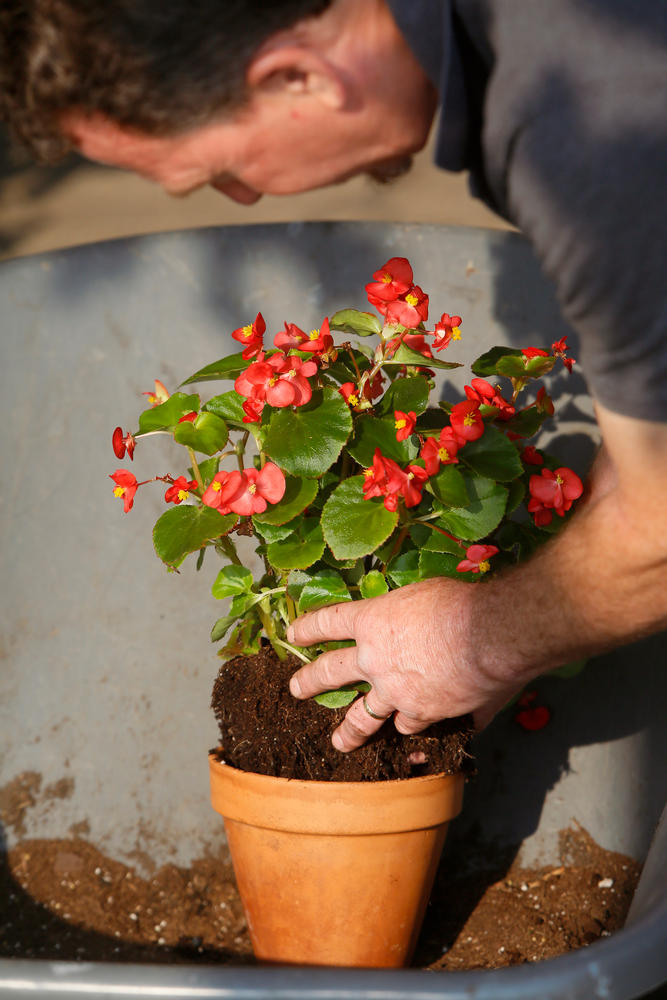


We are redoing the planters in our cemetery at Oriska. Is it OK to Just Fill With only peat Moss Or should black dirt also be worked in? I heard about a company at Grand Forks called Dakota Peat And thought I’d get a load there for in front of my house to plant hostas In and take the rest to the cemetery.
Hi Dorothy. My apologies that I’m several months late in response. We left our offices to begin transitioning work from home shortly after your question, and it took some time for me to get everything up and running again. In looking back, I’ve discovered your question. You’ve maybe already dealt with this. Peat is a great addition to soil, but when used by itself, it doesn’t usually contain many nutrients. It’s best use is to blend with soil. In planters, the peat could be used half-and-half with other soil. Your hostas or other flowers will love the peat. When adding to existing soil, at least a 3-inch layer or more can be added over existing soil and worked into the top layer.
Thanks for your patience, and good luck with the projects. Thanks. If you’ve already accomplished this, let me know how it works out. Have a good spring.